Breakdown Recovery for Cars Experiencing Sudden Mechanical Issues

September 29, 2026

A sudden mechanical problem can turn an ordinary journey into a stressful situation. Your car might begin making an unfamiliar noise, lose power, overheat or display a warning that suggests continuing to drive could be unsafe. These problems can occur without much warning, whether you are travelling through Cardiff, commuting to work or making a longer journey elsewhere in the UK.


When a serious fault develops, the safest response is not always to try to reach your destination. Continuing to drive a vehicle with an uncertain mechanical condition could make the existing problem worse and, depending on the fault, affect your ability to control the vehicle safely. Finding an appropriate place to stop and considering professional assistance can be a more sensible approach.


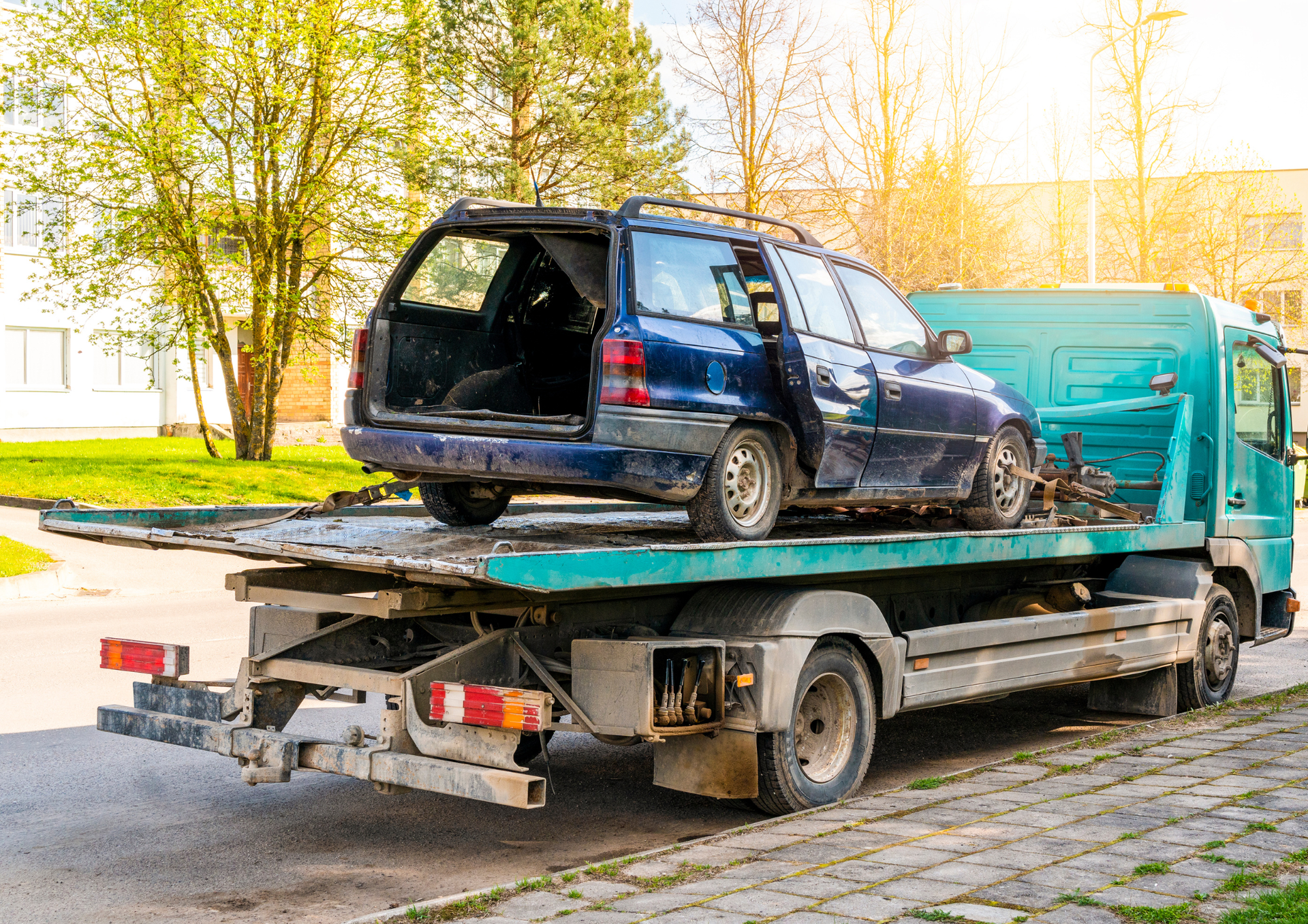
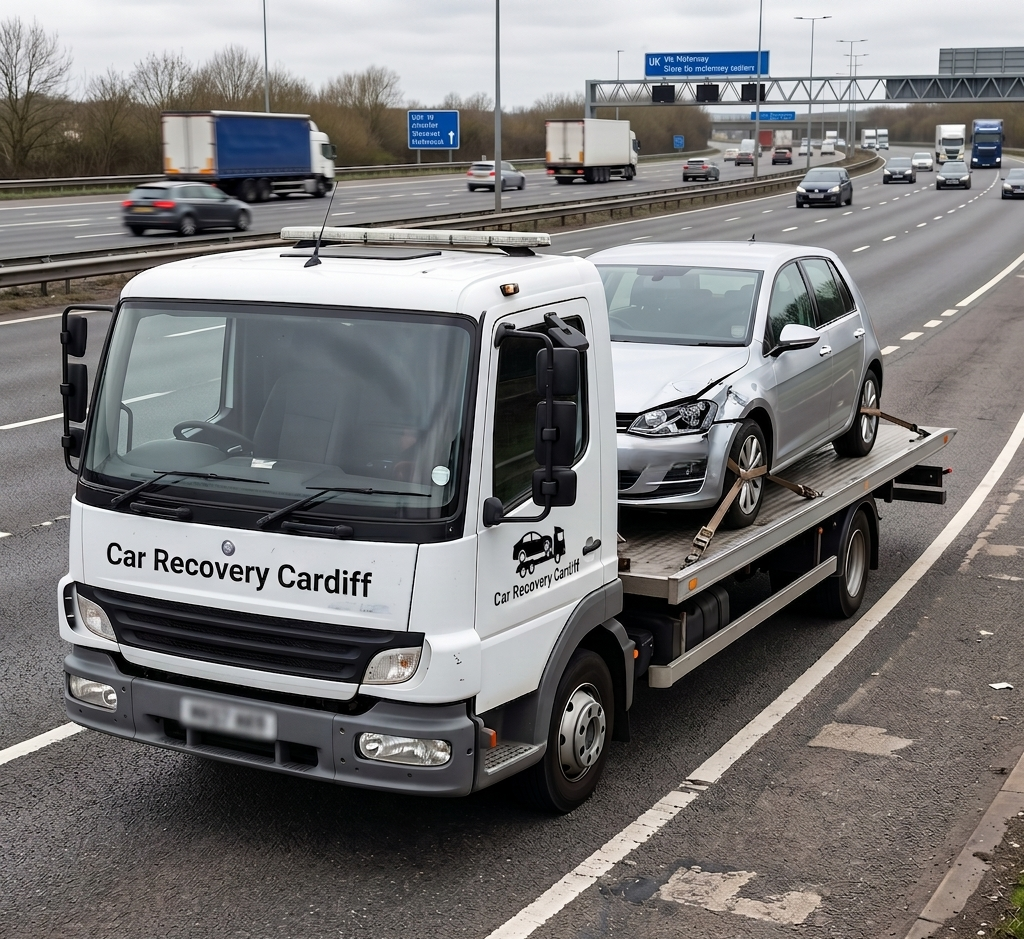
Professional roadside recovery provides a practical solution when a car cannot safely continue under its own power. The vehicle can be collected from its location, loaded using suitable equipment and transported to an appropriate garage or another suitable destination. This allows the underlying fault to be examined by the relevant professional rather than relying on the vehicle to complete the journey.


This type of service focuses on vehicle collection and transportation. It does not involve carrying out mechanical repairs where the car has stopped, providing lockout assistance or delivering fuel. If specialist work is required, the vehicle can instead be transported to a suitable professional who has the appropriate facilities and equipment to investigate the problem.


What to Do When a Mechanical Problem Stops Your Car

Mechanical problems can appear without warning. A dashboard warning light, sudden loss of power, unusual noises, excessive vibration, smoke, fluid leaks or changes in steering can all indicate that something is wrong. If the vehicle begins behaving differently, avoid ignoring the signs simply to complete your journey.


If possible and safe, move the vehicle to a suitable stopping place and follow relevant road safety guidance. A car does not need to be completely immobile to be unsafe to drive. Overheating, steering difficulties, damaged wheels or serious engine problems may make continuing the journey risky and could potentially worsen the existing fault.


When the vehicle cannot be driven safely, breakdown recovery provides a practical way to have it collected and transported to an appropriate garage or another suitable destination. The service focuses on moving the vehicle rather than repairing the mechanical problem where it has stopped.


Before arranging transportation, gather useful information such as the vehicle make, model, registration, exact location and preferred destination. Tell the operator about any problems that could affect loading, such as damaged wheels, steering difficulties or restricted access. For drivers in Cardiff, providing a road name, postcode or nearby landmark can make the collection point easier to identify.


Avoid repeatedly restarting or attempting to drive a vehicle showing signs of a serious mechanical problem. Once collected, it can be transported to an appropriate repair professional where the fault can be properly assessed and any necessary repairs carried out.


How Professional Vehicle Collection Helps After a Breakdown

When an unexpected fault leaves a motorist stranded, searching for breakdown recovery near me may be one way to find suitable assistance in Cardiff or another location. Before arranging collection, it is useful to understand how professional vehicle transportation can help and what information the provider may need.


  • Safe collection: When a car cannot continue safely, professional collection removes the need to rely on the malfunctioning vehicle to reach a garage. The vehicle can instead be transported using equipment suited to the situation.


  • Suitable loading arrangements: The condition of the car can affect how it needs to be loaded. Telling the operator about damaged wheels, steering difficulties or other mobility problems in advance can help suitable arrangements to be made.


  • Secure transportation: Once the vehicle has been loaded, it should be positioned and secured appropriately for the journey. Proper handling helps keep the transportation process controlled and reduces unnecessary movement while the vehicle is being carried.


  • Transport to a repair garage: Mechanical problems often need diagnostic equipment, tools and an appropriate working environment. Transporting the car directly to a suitable garage allows professionals to investigate the fault rather than attempting complex work where the vehicle stopped.


  • Choice of destination: Depending on the circumstances, motorists may want their vehicle taken to their usual garage, a specialist workshop or another appropriate destination. Confirming the address before collection helps make the required journey clear.


  • Help when away from home: Mechanical problems can be particularly inconvenient when they happen during a longer journey. A driver passing through Cardiff may be unfamiliar with the area or far from their usual repair professional. Vehicle transportation provides a way to move the car without attempting an uncertain onward journey.


  • Clear information before collection: Providing the vehicle make, model, registration, location and known condition can make arrangements more straightforward. Any issue that could affect loading or access should also be mentioned before the operator arrives.


Professional collection is particularly useful because it separates transportation from mechanical diagnosis. The person arranging transportation does not need to determine exactly why the vehicle has failed. Instead, they can describe what they have observed and have the car transported to an appropriate location for further examination.


Common Mechanical Problems That May Require Vehicle Transportation

Professional car breakdown recovery may be appropriate for many types of mechanical problems, particularly when continuing to drive could worsen the fault or create a safety concern. Understanding some common warning signs can help motorists decide when stopping and arranging transportation is preferable to trying to complete the journey.


Engine problems can range from sudden loss of power to unusual knocking or grinding noises. If the engine behaves very differently from normal, attempting to continue without knowing the cause may not be sensible. Warning lights combined with changes in performance can be especially important and should be considered alongside the manufacturer's guidance.


Overheating can also bring a journey to an unexpected stop. Drivers might notice an elevated temperature reading, a dashboard warning or steam coming from the vehicle. Because overheating can have different causes, the appropriate response may be to stop safely and have the vehicle transported for professional assessment rather than repeatedly driving and stopping.


Electrical faults can affect a modern vehicle in several ways. A car may fail to start, lose electrical functions or display multiple warning messages. Some electrical problems are difficult to identify without suitable diagnostic equipment, making transportation to an appropriate workshop a practical option when the vehicle cannot operate normally.


Steering and suspension faults are another reason to avoid unnecessary driving. If steering becomes unusually heavy, the vehicle begins pulling strongly to one side or a significant impact has affected the suspension, normal handling may be compromised. Transporting the vehicle avoids relying on potentially damaged components.


Wheels and tyres can also sustain damage severe enough to prevent safe travel. A major pothole strike or impact with a kerb may affect more than the tyre itself. The wheel, steering or suspension could also be involved. If the extent of the damage is unclear or the vehicle cannot roll normally, this information should be passed to the operator before collection.


Fluid leaks should not automatically be dismissed either. Vehicles contain several fluids that support important systems, and a significant leak may indicate a problem requiring professional attention. Rather than guessing what the fluid is or attempting an unsuitable roadside fix, the driver can arrange for the vehicle to be moved to a proper repair environment.


Not every fault will make a vehicle completely immobile. In some cases, a car can still start and move despite having a serious problem. Drivers should therefore consider how the vehicle is behaving rather than assuming that movement alone means it is suitable for continued road use. When there is genuine doubt, professional assessment at an appropriate garage can provide a clearer answer.


Staying Safe While Waiting for Your Vehicle to Be Collected

After arranging breakdown recovery, drivers may need to wait for the operator to arrive. Safety should remain the priority, particularly if the vehicle has stopped near moving traffic. The circumstances will depend on the road and location, but the following steps can help:


  • Choose a safe position where possible: If the vehicle can still be moved safely, stop somewhere that reduces unnecessary exposure to traffic. Do not make a risky manoeuvre simply to reach a more convenient collection point.


  • Make the vehicle visible: Use hazard warning lights when appropriate and follow the Highway Code. This is particularly important during darkness, poor weather or reduced visibility.


  • Keep away from moving traffic: Avoid standing unnecessarily close to passing vehicles. On motorways and high-speed roads, follow current official guidance and instructions from the relevant authorities.


  • Provide your exact location: Give the operator an accurate postcode, road name, nearby landmark or other useful details that can help identify where the vehicle has stopped.


  • Explain the vehicle's condition: Mention damaged wheels, steering problems or other issues that could affect how the vehicle is loaded and transported.


  • Prepare the destination: Have the address of the garage or another suitable destination ready where possible so the operator knows where the vehicle needs to be taken.


  • Avoid unsafe repair attempts: Do not attempt complicated mechanical work in a dangerous roadside location. The vehicle can be transported to an appropriate professional for assessment.


  • Mention access restrictions: Tell the operator about narrow entrances, gates, height restrictions or other conditions that could make reaching the vehicle more difficult.


  • Keep vehicle details ready: Having the registration, make and model available can make communication and collection arrangements more straightforward.


Staying aware of your surroundings and providing accurate information can make an unexpected mechanical problem easier to manage while you wait for your vehicle to be collected.

A sudden mechanical issue can interrupt any journey, whether it happens close to home in Cardiff or many miles away. Recognising that something is wrong and responding appropriately can help prevent an inconvenient situation from becoming more difficult.


Drivers should pay attention to significant changes in how their vehicle sounds, handles or performs. Overheating, loss of power, steering difficulties, severe vibration, fluid leaks and unusual noises can all be reasons to stop and seek professional assistance rather than continuing without understanding the problem.


When a vehicle is no longer safe or suitable to drive, professional car recovery provides a practical way to have it collected and transported to an appropriate garage or another suitable destination. Providing accurate vehicle, location and destination details also helps the operator prepare for collection.

Mechanical diagnosis and repair should take place in an appropriate environment with suitable expertise and equipment. Safe transportation allows the vehicle to reach the right professionals without relying on a potentially serious mechanical fault to complete the journey.


Car Recovery Cardiff provides a straightforward and dependable service for motorists who need their vehicle collected and transported to a suitable destination. Clear communication helps ensure the vehicle’s condition, location and transportation requirements are understood from the start.


The focus is on careful vehicle handling and safe breakdown recovery to a repair garage or another appropriate destination chosen by the customer. This allows motorists to avoid driving a vehicle when its mechanical condition is uncertain and have it taken somewhere the underlying problem can be properly assessed.


The service focuses on vehicle collection and transportation rather than roadside repairs, fuel delivery or lockout assistance. If your car develops a mechanical problem in Cardiff and cannot be driven safely, get in touch with your vehicle details, location and preferred destination to arrange transportation.


Check out our latest X update on the crucial role of
breakdown recovery for cars experiencing sudden mechanical issues!

Car Recovery Cardiff
029 2167 2246
5 Crown Way

Cardiff, CF14 3DE
United Kingdom

You might also like

October 14, 2026
Learn how professional towing helps drivers manage mechanical faults and unexpected breakdowns, with practical safety advice and dependable transport solutions
September 15, 2026
Learn what to do when your car cannot be driven safely, how professional vehicle transportation works, and what to expect when arranging help in Cardiff.
August 31, 2026
An engine breakdown can turn an ordinary journey into an unexpected problem within minutes. A vehicle may suddenly lose power, start making unusual noises, overheat or display a warning that suggests continuing to drive could be unsafe. Whether this happens on a busy route through Cardiff, on a residential street or during a longer journey, knowing how to respond can help protect you, your passengers and other road users. When a serious engine problem prevents a vehicle from continuing safely, a professional car recovery service provides a practical way to have it collected and transported. Rather than risking further problems by attempting to drive, the motorist can arrange for the vehicle to be taken to a suitable garage or another appropriate destination. Engine problems are not always obvious before they become serious. Some faults develop gradually, while others appear without much warning. A driver may notice reduced performance, an unusual smell, smoke, excessive heat or a sudden change in how the vehicle responds. Although these symptoms do not always reveal the exact cause, they should not be ignored when there is reason to believe the vehicle is unsafe. For motorists in Cardiff, being prepared for an engine problem can make an unexpected situation easier to manage. The same principles apply when travelling elsewhere in the UK: prioritise safety, avoid unnecessary attempts to drive an unreliable vehicle, provide accurate information when arranging transportation and decide where the vehicle needs to be taken. What Should You Do When Your Engine Breaks Down? If your engine develops a serious problem while you are driving, your first concern should be reaching an appropriate stopping place where this can be done safely. Avoid sudden movements and remain aware of surrounding traffic. Hazard warning lights can help alert other road users when appropriate. On motorways and other high-speed roads, motorists should follow current official breakdown safety guidance and any directions provided by the police or highways personnel. Once stopped, consider what happened immediately before the problem occurred. You might have noticed a warning light, unusual engine noise, smoke, a strong smell, loss of power or an abnormal temperature reading. You do not need to diagnose the fault yourself, but these details can be useful when explaining the situation to a recovery operator and later to a repair professional. A motorist searching for car recovery near me after an engine problem will usually need to provide an accurate collection point. In Cardiff, that could be a residential street, workplace, public car park or another accessible location. Road names, nearby landmarks and other clear location details can be helpful, particularly if you are unfamiliar with the area. Do not repeatedly restart an engine when there are clear signs of a potentially serious fault. Likewise, avoid deciding to drive “just a little further” simply because the vehicle can still move. A running engine does not automatically mean that the vehicle is suitable for continued use. If there is smoke, severe overheating, significant fluid loss, major loss of power or another concerning symptom, further driving could make the situation worse. Where possible, prepare important information before contacting a provider. This should include the registration number, make and model of the vehicle, your exact location and any symptoms you noticed. If the vehicle is positioned somewhere with restricted access, such as an underground or multi-storey car park, explain this as well. Access limitations may affect how collection needs to be arranged. You should also consider where you want the vehicle taken. A local garage may be the obvious choice if you already have a trusted mechanic. Alternatively, the nature of the problem may require a specialist facility. Motorists travelling through Cardiff from another area may prefer another suitable destination depending on their circumstances. Above all, avoid putting yourself in danger to examine the vehicle. An engine fault can be inconvenient, but personal safety is more important than identifying the cause at the roadside. Professional diagnosis can take place once the vehicle has reached an appropriate repair facility. How Professional Vehicle Recovery Helps After Engine Failure Professional car breakdown recovery can provide a controlled way to move a vehicle when an engine problem means it cannot safely complete the journey. Instead of relying on the faulty vehicle to reach a garage, it can be loaded and transported to the agreed destination. Appropriate loading: Different circumstances can affect how a vehicle needs to be loaded. Its position, condition and accessibility all matter. Providing these details beforehand helps the operator prepare for the collection. Secure transportation: The vehicle needs to be correctly positioned and secured before transportation begins. Proper handling helps keep it stable during the journey and reduces unnecessary movement while it is being taken to its destination. Transportation to a garage: Engine faults often require equipment, facilities and mechanical knowledge that are available at a workshop rather than at the roadside. Taking the vehicle to an appropriate garage allows the problem to be properly assessed. A destination chosen by the customer: Depending on the circumstances, the driver may want the vehicle transported to a preferred local garage, specialist repair facility or another suitable location. Agreeing on the destination before collection helps keep arrangements clear. Help when away from home: Engine trouble can be particularly disruptive when it occurs during a journey through an unfamiliar area. Professional transportation means motorists do not have to risk continuing in a vehicle whose mechanical condition is uncertain. Reduced risk from continued driving: Attempting to keep driving after signs of a serious engine problem can potentially make existing damage worse. Transporting the vehicle removes the need to rely on an engine that may no longer be operating correctly.  Clear communication is important throughout this process. The operator should know whether the vehicle can roll normally, whether access is restricted and whether there are any obvious problems that could affect loading. Providing accurate information from the beginning can help the collection proceed more smoothly. Common Engine Problems That Can Leave a Vehicle Undriveable Overheating is one reason a motorist may need to stop a journey. If the temperature warning appears, the temperature gauge rises unusually high or steam becomes visible, continuing without understanding the problem may lead to further mechanical issues. Drivers should find an appropriate place to stop when safe and avoid handling hot engine components. Unusual noises can also indicate that something is wrong. Knocking, grinding, tapping or other sounds that appear suddenly should be taken seriously, particularly when they occur alongside a loss of performance or warning lights. It is difficult to identify the exact cause without a proper mechanical inspection, so assumptions made at the roadside may not be reliable. Professional car recovery may be appropriate when the engine problem makes continued driving unsafe or impossible. Moving the vehicle to a suitable repair facility allows trained professionals to investigate the fault using appropriate equipment rather than requiring the motorist to take a chance on completing the journey. A sudden loss of power is another reason to exercise caution. The vehicle might struggle to accelerate, respond differently to the controls or stop running completely. Even if the engine restarts, the underlying problem may remain. Drivers should consider the symptoms and avoid continuing when there is reasonable doubt about the vehicle’s ability to operate safely. Fluid leaks can also accompany mechanical problems. A small amount of water beneath a vehicle can sometimes result from normal air-conditioning operation, but significant or unexplained fluid loss should not simply be dismissed. If a leak appears alongside overheating, warning lights, unusual noises or changes in vehicle performance, professional assessment may be necessary. Starting problems can leave a vehicle stranded at home, at work or in a public parking area. Repeatedly trying to start the engine may not resolve the underlying issue. Modern vehicles contain complex electrical, electronic and mechanical systems, meaning the cause of a no-start condition may require proper diagnostic equipment to identify. Dashboard warnings deserve attention as well. Different warning lights have different meanings, and motorists should consult the vehicle manufacturer’s guidance where appropriate. A warning that indicates an urgent problem should not be ignored simply because the vehicle still appears to drive normally. The important point is that motorists do not need to diagnose an engine fault themselves before deciding that a vehicle should not be driven. If its behaviour has changed significantly or there are signs of a serious mechanical problem, arranging professional transportation can be more sensible than trying to reach a garage under the vehicle’s own power. Choosing the Right Recovery Provider in Cardiff A dependable car rescue service should offer clear communication, suitable vehicle-handling arrangements and straightforward information about transportation. For motorists in Cardiff, local familiarity can also be useful when a vehicle needs collecting from a busy road, residential area, workplace or unfamiliar part of the city. Look for clear communication: A provider should make it easy to explain what has happened, where the vehicle is located and where it needs to go. Clear information can be particularly reassuring when an engine failure has already disrupted the driver's plans. Describe the vehicle accurately: Provide the make, model and registration along with relevant information about its condition. Mention whether the engine runs and whether you have noticed any other problems that could affect collection. Check that suitable equipment is available: Vehicle size, condition and location can influence how it should be loaded and transported. Providing accurate information helps ensure appropriate arrangements can be made. Consider careful handling: Loading and securing should be approached professionally, particularly when the vehicle already has a mechanical problem. The objective is to move it safely without relying on the faulty engine. Confirm the collection location: An exact location is preferable to a vague description. In Cardiff, providing the road name, nearby landmark, postcode or another useful reference can help identify where the vehicle is waiting. Mention access restrictions: If the vehicle is in a narrow street, private parking area, multi-storey facility or another location with limited access, tell the provider before collection. This information can be important when planning how to reach and load the vehicle. Agree on the destination: Decide where you want the vehicle taken before transportation begins whenever possible. This might be your usual garage, an engine specialist or another suitable location where the vehicle can remain safely. Understand what happens next: The transportation provider's role is to move the vehicle. Once it reaches the chosen garage, the relevant repair professional can inspect the engine, diagnose the problem and advise on any work required. These considerations are useful whether a breakdown occurs in central Cardiff, in a surrounding community or elsewhere in the UK. A motorist who understands the collection process and has the necessary details ready is better placed to arrange transportation efficiently during an unexpected engine problem. An engine breakdown can happen with little warning and may leave a driver uncertain about what to do next. The safest response begins with paying attention to the vehicle's behaviour, finding an appropriate place to stop where possible and avoiding unnecessary attempts to continue when there are signs of a serious fault. Unusual noises, overheating, smoke, fluid loss, starting difficulties and sudden changes in performance can all indicate that professional mechanical attention is required. Drivers do not need to determine the exact cause at the roadside. When a vehicle is not suitable for continued use, a professional car recovery service can transport it to a suitable garage where the underlying problem can be properly investigated. Preparing the vehicle details, exact collection point and preferred destination can also make arrangements easier. Whether the problem happens in Cardiff or during a journey elsewhere, prioritising safety and arranging professional transportation when necessary is preferable to risking further problems by attempting to drive an unreliable vehicle. Car Recovery Cardiff offers a professional and straightforward approach to vehicle collection and transportation.By providing accurate details about your vehicle and location, you can help us arrange suitable collection and transportation while you decide where the vehicle needs to be taken. We understand that an engine problem can happen unexpectedly and disrupt work, appointments or everyday journeys. Our car recovery service focuses on careful handling, clear communication and getting an undriveable vehicle to a suitable garage or another agreed destination. Our role is to transport your vehicle rather than attempt mechanical repairs at the roadside. If the engine requires diagnosis or specialist attention, the vehicle can be taken directly to the appropriate repair professional. We also do not provide fuel delivery or lockout assistance.If an engine problem leaves your vehicle undriveable in Cardiff, get in touch to arrange safe, professional transportation to a suitable destination. Check out our latest X update on how a car recovery service can help after a sudden engine breakdown and get your vehicle safely recovered.

Book a Service Today