Roadside and Recovery Support for Cars That Cannot Be Safely Driven

September 15, 2026

A vehicle can become undriveable without warning. A mechanical fault, damaged wheel, steering problem or electrical issue can bring an ordinary journey to an unexpected stop. When this happens, the priority should be protecting the driver, passengers and other road users rather than attempting to continue in a vehicle that may no longer be safe.


This type of problem can occur anywhere in Cardiff, from residential streets and busy urban routes to workplace car parks and roads leading towards surrounding areas. The same situation can arise during journeys anywhere in the UK. Even when a vehicle can still move under its own power, its condition may make continuing the journey unsafe.


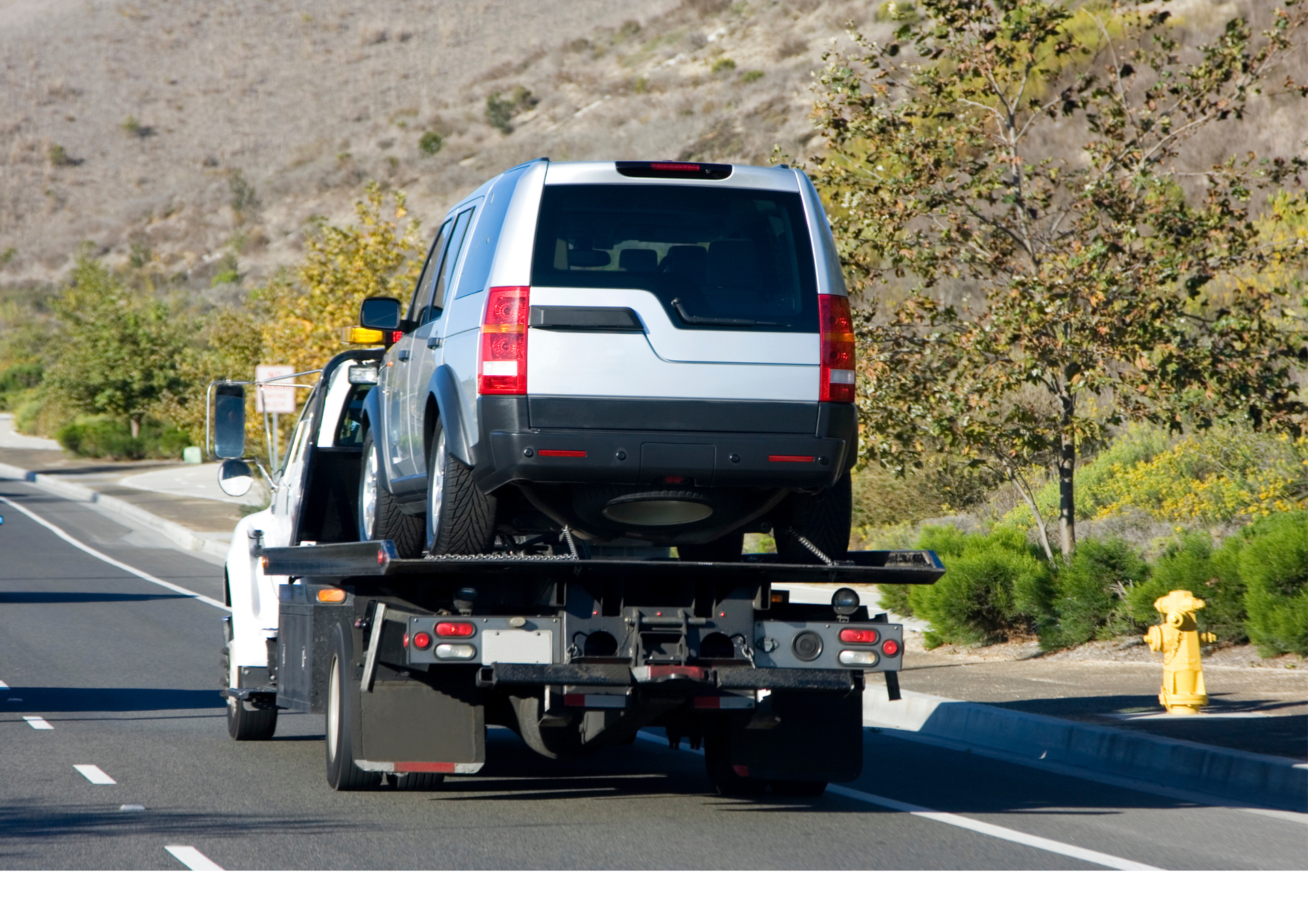
Professional roadside and recovery support provides a practical way to have an undriveable vehicle collected and transported to an appropriate destination. Depending on the circumstances, this could be a local garage, specialist repair facility or another suitable location selected by the customer.


Vehicle transportation should not be confused with mechanical repair at the location where the vehicle stopped. The purpose of professional collection is to load, secure and move the vehicle safely. Roadside mechanical repairs, fuel delivery and lockout assistance are not provided as part of this type of service. When specialist attention is required, the vehicle can instead be transported to the appropriate professional.


Understanding what to do immediately after a vehicle becomes undriveable can make an unexpected situation easier to manage. Accurate information about the vehicle, its condition and its location also helps suitable collection arrangements to be made.


What to Do When Your Car Cannot Be Driven

When a vehicle develops a serious problem, consider your surroundings first. If it is possible and safe to do so, stop somewhere appropriate away from moving traffic. Use hazard warning lights when necessary and follow the Highway Code and any instructions provided by the police, highways personnel or other relevant authorities.


Motorways and other high-speed roads require particular care. Drivers should follow current official breakdown guidance and avoid putting themselves in dangerous positions near moving vehicles. Attempting to inspect a fault close to fast traffic can create additional risks.


Pay attention to how the vehicle was behaving before it stopped. Serious warning signs can include unusual vibrations, smoke, loss of power, overheating, steering difficulties, fluid leaks or abnormal mechanical noises. A vehicle does not need to stop completely before it becomes unsuitable to drive.


Professional roadside recovery offers a practical option when there is genuine doubt about whether a vehicle can safely complete its journey. Instead of risking further travel, the vehicle can be collected and transported to an appropriate location where its condition can be properly assessed.


Before contacting a provider, gather useful information about the vehicle. The make, model and registration are important, but the operator may also need to understand the nature of the problem. Tell them if the vehicle cannot roll, a wheel is damaged, the steering is affected or another issue could make loading more difficult.


Location details should be as accurate as possible. A road name and postcode can be useful, but additional information may be necessary if the vehicle is in a large car park, behind a gate or somewhere with restricted access. Motorists unfamiliar with Cardiff can also provide nearby landmarks or other clear location information.


Think about where the vehicle needs to go before collection whenever possible. This may be the driver's usual garage, a specialist repair business or another suitable location. Having a destination ready can make the transportation arrangements more straightforward.


Drivers should avoid trying to diagnose complicated faults in potentially unsafe surroundings. Even when the problem appears minor, the underlying cause may not be obvious. Moving the vehicle to an appropriate professional allows it to be inspected in a suitable environment.


How Professional Support Helps With an Undriveable Vehicle

Professional roadside and recovery support can help motorists manage an undriveable vehicle without attempting to complete the journey themselves. The process centres on appropriate collection, loading, securing and transportation while considering the condition and position of the vehicle.


Key parts of professional vehicle transportation include:

  • Safe collection: If a vehicle is no longer suitable to drive, professional transportation removes the need to risk continuing the journey simply to reach a garage. Where circumstances allow, the vehicle can be collected from the location where it stopped.


  • Suitable loading arrangements: Different types of vehicles can require different equipment and handling methods. The operator needs accurate details about the vehicle and its condition so appropriate arrangements can be considered before arrival.


  • Careful handling: Problems with wheels, steering, suspension or other components can affect how easily a vehicle moves. Known issues should be explained before collection so they can be taken into account during loading.


  • Secure transportation: After loading, the vehicle needs to be positioned and secured appropriately. This helps keep the vehicle stable while it is being transported to the agreed destination.


  • Destination choice: Motorists may want their vehicle transported to their regular garage, a specialist repair facility or another suitable location. Confirming the destination beforehand helps make the required journey clear.


  • Help away from home: A breakdown in an unfamiliar area can make deciding what to do more difficult. Professional transportation allows the driver to arrange movement of the vehicle without attempting to navigate unfamiliar roads while experiencing a mechanical problem.


  • Clear information: Vehicle details, location information and a description of known problems help the operator understand what is required. Access restrictions should also be mentioned before collection.


  • Transportation rather than repair: The purpose of the service is to move the vehicle rather than repair it where it stopped. If mechanical work is required, the vehicle can be transported to a suitable professional who can inspect and repair the fault.


The time at which a problem occurs can also affect how motorists approach the situation. A preferred garage may not be open when a vehicle stops late in the evening or early in the morning. In such circumstances, the driver may need to choose another appropriate destination until professional inspection can be arranged.


The vehicle's condition should always guide the decision. If serious mechanical symptoms, damaged components or steering problems create uncertainty about whether it is safe to continue, arranging transportation avoids relying on the affected vehicle for the remainder of the journey.


Common Situations That May Require Vehicle Transportation

A complete mechanical failure is an obvious reason for arranging professional transportation, but it is not the only one. Some vehicles can still start and move despite having a fault that makes normal road use unsafe or risks worsening an existing problem.


Starting difficulties are a common example. A car may refuse to start at home, outside a workplace or in a public car park. If the problem requires specialist attention, transporting the vehicle to an appropriate garage provides a practical way to have it inspected.


Mechanical faults can also appear suddenly while driving. A significant loss of power, severe vibration, unusual noises or a noticeable change in vehicle behaviour should not simply be ignored. Continuing for the sake of reaching home or a garage can be unwise when the seriousness of the fault is unknown.


A driver searching for breakdown recovery near me may be stranded somewhere unfamiliar in Cardiff or during a journey elsewhere in the UK. Having the postcode, road name, nearby landmark and vehicle details ready can make it easier to explain where collection is required and what condition the vehicle is in.


Wheel and tyre damage can also leave a vehicle unsuitable for normal travel. A significant impact with a kerb or pothole may affect more than the visible tyre. The wheel, suspension or steering components could also be affected, and these problems may not always be immediately obvious.


Overheating is another warning sign that requires care. Steam, unusually high temperature readings or substantial coolant loss can indicate a mechanical problem requiring professional assessment. Repeated attempts to drive an overheating vehicle can make an existing problem more serious.


Steering and suspension problems can directly affect vehicle control. If the steering feels significantly different, a wheel sits at an unusual angle or the vehicle becomes difficult to control, continuing the journey may create unnecessary risk.


Fluid leaks should also be treated carefully. A driver may not immediately know what is leaking or how serious the underlying problem is. If there is uncertainty about whether the vehicle remains safe, transporting it to a qualified professional avoids relying on guesswork.


Electrical and electronic faults can cause similar difficulties. Modern vehicles depend on numerous systems for normal operation, and the cause of a warning or failure may not be obvious at the roadside. If the vehicle cannot function normally, proper inspection may be required.


Breakdown locations can vary considerably across Cardiff. A vehicle could stop on a busy urban route, a residential road, near a commercial area, in a public car park or on a route connecting Cardiff with surrounding parts of South Wales. Each location may present different collection and access considerations.


The same principle applies elsewhere in the UK. A vehicle on an open residential road can be easier to approach than one positioned behind a height barrier, inside a restricted car park or along a narrow access road. Providing these details beforehand can help the operator prepare appropriately.


Choosing the Right Help in Cardiff

Choosing professional roadside and recovery support should involve more than simply finding someone who can move a vehicle. Motorists should consider communication, vehicle handling, suitable equipment and whether the provider understands the collection and destination requirements.

Before arranging transportation, consider the following:


  • Look for clear communication: The provider should explain what information is needed and what the collection process involves. Straightforward communication is particularly useful when a breakdown has already disrupted the driver's plans.


  • Provide complete vehicle details: Give the make, model and registration and explain any known problems. Mention if the vehicle cannot roll or steer normally, as this could affect loading arrangements.


  • Confirm the collection location: Provide an accurate road name, postcode or other location information. Drivers in unfamiliar parts of Cardiff should give as much detail as possible to make the vehicle easier to locate.


  • Mention restricted access: Narrow entrances, height barriers, locked gates and confined parking areas can affect how a vehicle is reached. These conditions should be explained before collection is arranged.


  • Consider the vehicle's condition: A standard car that rolls normally can present different requirements from one with damaged steering, wheels or suspension. Accurate information allows appropriate arrangements to be considered.


  • Agree on the destination: Decide where the vehicle should be transported and provide the complete address whenever possible. This might be a garage, specialist repair facility or another suitable location.


  • Consider local knowledge: Familiarity with Cardiff and surrounding roads can be helpful when identifying collection points and planning the journey to the customer's chosen destination.


  • Understand the purpose of transportation: Collection is intended to move an undriveable vehicle to an appropriate destination. Mechanical faults that require diagnosis or repair should be handled by the relevant professional after transportation.


Taking a few minutes to prepare accurate information can make the collection process considerably easier. Vehicle details, the precise location, known mobility problems and the intended destination give the provider a clearer understanding of the situation.


Drivers should also make their decision based on safety rather than convenience alone. If there is genuine uncertainty about the condition of an important vehicle component, avoiding further driving can prevent an already difficult situation from becoming more serious.


When a vehicle becomes undriveable, the first priority should be the safety of the driver, passengers and other road users. Motorists should avoid taking unnecessary chances with mechanical problems, damaged wheels, steering faults or other issues that could affect safe vehicle operation.


Professional car breakdown recovery provides a practical way to have an undriveable vehicle transported to an appropriate destination rather than risking further driving. Giving accurate details about the vehicle, its condition, location and intended destination can help make collection more straightforward.


Vehicle transportation should also be distinguished from mechanical repair. When a fault needs diagnosis or specialist attention, the vehicle can be taken to a suitable garage or other professional facility where the underlying problem can be properly assessed.


Car Recovery Cardiff provides professional support focused on careful vehicle collection and transportation. Clear communication helps motorists explain where their vehicle is located, what condition it is in and where they would like it taken.


Whether a vehicle becomes undriveable on a residential street, near a workplace or elsewhere around Cardiff, our car breakdown service can provide suitable transportation to a repair garage or another appropriate destination chosen by the customer. The focus remains on moving the vehicle carefully rather than carrying out mechanical repairs where it stopped.


If your car cannot be driven safely, get in touch with your vehicle details, exact collection location and preferred destination to arrange professional transportation.


Check out our latest X update on the importance of
roadside and recovery support for cars that cannot be safely driven!

Car Recovery Cardiff
029 2167 2246
5 Crown Way

Cardiff, CF14 3DE
United Kingdom

You might also like
August 31, 2026
An engine breakdown can turn an ordinary journey into an unexpected problem within minutes. A vehicle may suddenly lose power, start making unusual noises, overheat or display a warning that suggests continuing to drive could be unsafe. Whether this happens on a busy route through Cardiff, on a residential street or during a longer journey, knowing how to respond can help protect you, your passengers and other road users. When a serious engine problem prevents a vehicle from continuing safely, a professional car recovery service provides a practical way to have it collected and transported. Rather than risking further problems by attempting to drive, the motorist can arrange for the vehicle to be taken to a suitable garage or another appropriate destination. Engine problems are not always obvious before they become serious. Some faults develop gradually, while others appear without much warning. A driver may notice reduced performance, an unusual smell, smoke, excessive heat or a sudden change in how the vehicle responds. Although these symptoms do not always reveal the exact cause, they should not be ignored when there is reason to believe the vehicle is unsafe. For motorists in Cardiff, being prepared for an engine problem can make an unexpected situation easier to manage. The same principles apply when travelling elsewhere in the UK: prioritise safety, avoid unnecessary attempts to drive an unreliable vehicle, provide accurate information when arranging transportation and decide where the vehicle needs to be taken. What Should You Do When Your Engine Breaks Down? If your engine develops a serious problem while you are driving, your first concern should be reaching an appropriate stopping place where this can be done safely. Avoid sudden movements and remain aware of surrounding traffic. Hazard warning lights can help alert other road users when appropriate. On motorways and other high-speed roads, motorists should follow current official breakdown safety guidance and any directions provided by the police or highways personnel. Once stopped, consider what happened immediately before the problem occurred. You might have noticed a warning light, unusual engine noise, smoke, a strong smell, loss of power or an abnormal temperature reading. You do not need to diagnose the fault yourself, but these details can be useful when explaining the situation to a recovery operator and later to a repair professional. A motorist searching for car recovery near me after an engine problem will usually need to provide an accurate collection point. In Cardiff, that could be a residential street, workplace, public car park or another accessible location. Road names, nearby landmarks and other clear location details can be helpful, particularly if you are unfamiliar with the area. Do not repeatedly restart an engine when there are clear signs of a potentially serious fault. Likewise, avoid deciding to drive “just a little further” simply because the vehicle can still move. A running engine does not automatically mean that the vehicle is suitable for continued use. If there is smoke, severe overheating, significant fluid loss, major loss of power or another concerning symptom, further driving could make the situation worse. Where possible, prepare important information before contacting a provider. This should include the registration number, make and model of the vehicle, your exact location and any symptoms you noticed. If the vehicle is positioned somewhere with restricted access, such as an underground or multi-storey car park, explain this as well. Access limitations may affect how collection needs to be arranged. You should also consider where you want the vehicle taken. A local garage may be the obvious choice if you already have a trusted mechanic. Alternatively, the nature of the problem may require a specialist facility. Motorists travelling through Cardiff from another area may prefer another suitable destination depending on their circumstances. Above all, avoid putting yourself in danger to examine the vehicle. An engine fault can be inconvenient, but personal safety is more important than identifying the cause at the roadside. Professional diagnosis can take place once the vehicle has reached an appropriate repair facility. How Professional Vehicle Recovery Helps After Engine Failure Professional car breakdown recovery can provide a controlled way to move a vehicle when an engine problem means it cannot safely complete the journey. Instead of relying on the faulty vehicle to reach a garage, it can be loaded and transported to the agreed destination. Appropriate loading: Different circumstances can affect how a vehicle needs to be loaded. Its position, condition and accessibility all matter. Providing these details beforehand helps the operator prepare for the collection. Secure transportation: The vehicle needs to be correctly positioned and secured before transportation begins. Proper handling helps keep it stable during the journey and reduces unnecessary movement while it is being taken to its destination. Transportation to a garage: Engine faults often require equipment, facilities and mechanical knowledge that are available at a workshop rather than at the roadside. Taking the vehicle to an appropriate garage allows the problem to be properly assessed. A destination chosen by the customer: Depending on the circumstances, the driver may want the vehicle transported to a preferred local garage, specialist repair facility or another suitable location. Agreeing on the destination before collection helps keep arrangements clear. Help when away from home: Engine trouble can be particularly disruptive when it occurs during a journey through an unfamiliar area. Professional transportation means motorists do not have to risk continuing in a vehicle whose mechanical condition is uncertain. Reduced risk from continued driving: Attempting to keep driving after signs of a serious engine problem can potentially make existing damage worse. Transporting the vehicle removes the need to rely on an engine that may no longer be operating correctly.  Clear communication is important throughout this process. The operator should know whether the vehicle can roll normally, whether access is restricted and whether there are any obvious problems that could affect loading. Providing accurate information from the beginning can help the collection proceed more smoothly. Common Engine Problems That Can Leave a Vehicle Undriveable Overheating is one reason a motorist may need to stop a journey. If the temperature warning appears, the temperature gauge rises unusually high or steam becomes visible, continuing without understanding the problem may lead to further mechanical issues. Drivers should find an appropriate place to stop when safe and avoid handling hot engine components. Unusual noises can also indicate that something is wrong. Knocking, grinding, tapping or other sounds that appear suddenly should be taken seriously, particularly when they occur alongside a loss of performance or warning lights. It is difficult to identify the exact cause without a proper mechanical inspection, so assumptions made at the roadside may not be reliable. Professional car recovery may be appropriate when the engine problem makes continued driving unsafe or impossible. Moving the vehicle to a suitable repair facility allows trained professionals to investigate the fault using appropriate equipment rather than requiring the motorist to take a chance on completing the journey. A sudden loss of power is another reason to exercise caution. The vehicle might struggle to accelerate, respond differently to the controls or stop running completely. Even if the engine restarts, the underlying problem may remain. Drivers should consider the symptoms and avoid continuing when there is reasonable doubt about the vehicle’s ability to operate safely. Fluid leaks can also accompany mechanical problems. A small amount of water beneath a vehicle can sometimes result from normal air-conditioning operation, but significant or unexplained fluid loss should not simply be dismissed. If a leak appears alongside overheating, warning lights, unusual noises or changes in vehicle performance, professional assessment may be necessary. Starting problems can leave a vehicle stranded at home, at work or in a public parking area. Repeatedly trying to start the engine may not resolve the underlying issue. Modern vehicles contain complex electrical, electronic and mechanical systems, meaning the cause of a no-start condition may require proper diagnostic equipment to identify. Dashboard warnings deserve attention as well. Different warning lights have different meanings, and motorists should consult the vehicle manufacturer’s guidance where appropriate. A warning that indicates an urgent problem should not be ignored simply because the vehicle still appears to drive normally. The important point is that motorists do not need to diagnose an engine fault themselves before deciding that a vehicle should not be driven. If its behaviour has changed significantly or there are signs of a serious mechanical problem, arranging professional transportation can be more sensible than trying to reach a garage under the vehicle’s own power. Choosing the Right Recovery Provider in Cardiff A dependable car rescue service should offer clear communication, suitable vehicle-handling arrangements and straightforward information about transportation. For motorists in Cardiff, local familiarity can also be useful when a vehicle needs collecting from a busy road, residential area, workplace or unfamiliar part of the city. Look for clear communication: A provider should make it easy to explain what has happened, where the vehicle is located and where it needs to go. Clear information can be particularly reassuring when an engine failure has already disrupted the driver's plans. Describe the vehicle accurately: Provide the make, model and registration along with relevant information about its condition. Mention whether the engine runs and whether you have noticed any other problems that could affect collection. Check that suitable equipment is available: Vehicle size, condition and location can influence how it should be loaded and transported. Providing accurate information helps ensure appropriate arrangements can be made. Consider careful handling: Loading and securing should be approached professionally, particularly when the vehicle already has a mechanical problem. The objective is to move it safely without relying on the faulty engine. Confirm the collection location: An exact location is preferable to a vague description. In Cardiff, providing the road name, nearby landmark, postcode or another useful reference can help identify where the vehicle is waiting. Mention access restrictions: If the vehicle is in a narrow street, private parking area, multi-storey facility or another location with limited access, tell the provider before collection. This information can be important when planning how to reach and load the vehicle. Agree on the destination: Decide where you want the vehicle taken before transportation begins whenever possible. This might be your usual garage, an engine specialist or another suitable location where the vehicle can remain safely. Understand what happens next: The transportation provider's role is to move the vehicle. Once it reaches the chosen garage, the relevant repair professional can inspect the engine, diagnose the problem and advise on any work required. These considerations are useful whether a breakdown occurs in central Cardiff, in a surrounding community or elsewhere in the UK. A motorist who understands the collection process and has the necessary details ready is better placed to arrange transportation efficiently during an unexpected engine problem. An engine breakdown can happen with little warning and may leave a driver uncertain about what to do next. The safest response begins with paying attention to the vehicle's behaviour, finding an appropriate place to stop where possible and avoiding unnecessary attempts to continue when there are signs of a serious fault. Unusual noises, overheating, smoke, fluid loss, starting difficulties and sudden changes in performance can all indicate that professional mechanical attention is required. Drivers do not need to determine the exact cause at the roadside. When a vehicle is not suitable for continued use, a professional car recovery service can transport it to a suitable garage where the underlying problem can be properly investigated. Preparing the vehicle details, exact collection point and preferred destination can also make arrangements easier. Whether the problem happens in Cardiff or during a journey elsewhere, prioritising safety and arranging professional transportation when necessary is preferable to risking further problems by attempting to drive an unreliable vehicle. Car Recovery Cardiff offers a professional and straightforward approach to vehicle collection and transportation.By providing accurate details about your vehicle and location, you can help us arrange suitable collection and transportation while you decide where the vehicle needs to be taken. We understand that an engine problem can happen unexpectedly and disrupt work, appointments or everyday journeys. Our car recovery service focuses on careful handling, clear communication and getting an undriveable vehicle to a suitable garage or another agreed destination. Our role is to transport your vehicle rather than attempt mechanical repairs at the roadside. If the engine requires diagnosis or specialist attention, the vehicle can be taken directly to the appropriate repair professional. We also do not provide fuel delivery or lockout assistance.If an engine problem leaves your vehicle undriveable in Cardiff, get in touch to arrange safe, professional transportation to a suitable destination. Check out our latest X update on how a car recovery service can help after a sudden engine breakdown and get your vehicle safely recovered.
August 17, 2026
Learn what affects vehicle recovery charges after a breakdown, from journey distance and vehicle condition to collection location and timing.
August 1, 2026
Learn what drivers need to know about car recovery services, when to call for professional assistance, and how to choose a trusted recovery provider. This guide explains the recovery process, common situations requiring vehicle transportation, and why Car Recovery Cardiff is a dependable choice for motorists.

Book a Service Today