Vehicle Recovery for Mechanical Faults and Unexpected Car Breakdowns
Unexpected vehicle problems can happen at any time, whether you are travelling to work, visiting family or making a long journey. A sudden engine failure, overheating problem or mechanical fault can leave you stranded and uncertain about what to do next. These situations can be stressful, especially when your vehicle stops working on a busy road or somewhere unfamiliar.
Professional vehicle recovery provides a practical solution when your car is no longer safe to drive. Rather than attempting to continue your journey with a damaged vehicle, you can arrange for it to be collected and transported to a repair garage or another suitable destination. This helps reduce the risk of further mechanical damage while allowing qualified professionals to examine the problem.
Common Mechanical Faults That Require Professional Towing
Mechanical problems can develop gradually or happen without warning. Some faults may allow a vehicle to continue operating temporarily, while others can make driving immediately unsafe. Understanding which problems require professional transportation can help motorists make better decisions during a breakdown.
The following mechanical faults commonly require a vehicle to be collected and transported to a suitable repair facility:
- Engine failure: A vehicle that suddenly loses power, stalls repeatedly or refuses to start may have a serious engine problem. Continuing to operate an engine with internal damage can make the fault worse. If the vehicle cannot run safely, transporting it to a qualified mechanic is usually the most sensible option.
- Engine overheating: Excessive engine temperatures can result from coolant leaks, radiator problems, thermostat faults or other mechanical issues. Continuing to drive an overheating vehicle may cause serious engine damage. If the temperature warning light appears or steam is visible, stop safely and allow the engine to cool without opening the hot cooling system.
- Braking system problems: Faulty brakes can significantly affect your ability to control a vehicle. Warning signs include unusual grinding noises, reduced braking performance, a soft brake pedal or fluid leaks. A vehicle with suspected brake failure should not be driven until the problem has been professionally assessed.
- Steering faults: Difficult steering, unusual vibrations or sudden changes in steering response may indicate damaged components. These problems can make it difficult to control the vehicle, particularly at higher speeds or when navigating bends.
- Suspension damage: Worn or broken suspension components can affect stability, steering and tyre contact with the road. Severe suspension faults may make the vehicle unsafe to drive and require professional transportation.
- Transmission failure: Problems with the gearbox or transmission system can prevent a vehicle from changing gears or moving normally. Unusual noises, slipping gears or complete loss of drive may indicate a serious fault requiring specialist attention.
- Electrical system failure: A faulty alternator, damaged wiring or serious electrical problem may prevent the vehicle from starting or cause essential systems to stop working. When the vehicle cannot operate reliably, professional collection may be necessary.
- Fluid leaks: Leaking brake fluid, coolant, engine oil or transmission fluid can affect vehicle performance and safety. Significant fluid loss should be investigated before the vehicle is driven again.
- Damaged wheels and tyres: Severe tyre damage, bent wheels or broken wheel components can make driving dangerous. When the vehicle cannot be moved safely, it may need transporting to a suitable garage or tyre specialist.
- Fuel system problems: A faulty fuel pump, blocked fuel supply or damaged fuel system component can cause repeated stalling or prevent the engine from starting. These faults may require professional diagnosis at a repair facility.
When a mechanical fault makes a vehicle unsafe to operate, arranging car recovery is often preferable to attempting to drive it to a garage. Suitable transportation equipment allows the vehicle to be moved without relying on damaged components, helping reduce the possibility of further problems.
Not every mechanical issue requires immediate towing, but drivers should avoid taking unnecessary risks when the condition of their vehicle is uncertain. A car that starts or moves does not automatically mean it is roadworthy. If a fault affects braking, steering, stability or essential mechanical systems, professional assessment should take priority over convenience.
What Should Drivers Do During an Unexpected Breakdown?
An unexpected breakdown can be frustrating, particularly when it happens during heavy traffic, poor weather or a long journey. However, making sensible decisions during the first few minutes can help protect you, your passengers and other motorists.
If your vehicle develops a serious mechanical problem, the following steps can help you manage the situation safely:
- Stay calm and assess the situation: Avoid making sudden decisions or attempting risky manoeuvres. Pay attention to warning lights, unusual sounds and changes in how the vehicle behaves.
- Stop somewhere safe: If the vehicle can still be controlled, move towards a suitable stopping place without putting yourself or other road users at risk. Avoid stopping in dangerous positions whenever possible.
- Switch on hazard warning lights: Use your hazard lights when appropriate to warn approaching motorists that your vehicle is stationary or causing an obstruction.
- Avoid unnecessary driving: If you suspect a serious mechanical problem, do not continue your journey simply because the vehicle can still move. Driving with damaged components may create additional safety risks.
- Keep passengers safe: Make sure everyone understands the situation. If you are on a motorway or another high-speed road, follow the relevant safety guidance and move to a safe location where possible.
- Stay clear of moving traffic: Never stand in an exposed position beside a busy road. If you cannot reach safety or your vehicle is creating an immediate danger, contact the appropriate emergency services.
- Identify your location: Check nearby road signs, junction numbers, landmarks or location markers. Accurate information helps the towing provider identify where the vehicle needs collecting.
- Describe the mechanical problem: Explain whether the engine has stopped, the vehicle is overheating, the brakes are faulty or another problem has occurred. Mention any visible damage or leaking fluids.
- Provide vehicle details: Share the make, model and type of vehicle. This information helps the operator determine which transportation equipment may be suitable.
- Confirm your preferred destination: Decide whether the vehicle should be taken to a repair garage, storage location or another suitable address. Confirm the destination before transportation begins.
- Keep essential belongings accessible: If it is safe to do so, collect important personal items before the vehicle is loaded. Avoid approaching the vehicle if its location creates a danger.
- Follow the operator's instructions: When assistance arrives, allow the professional to assess the vehicle and explain the loading arrangements. Stay clear of moving equipment during collection.
Motorists stranded in unfamiliar areas often search for vehicle recovery near me to find a suitable local provider. When arranging help, it is important to confirm the collection location, vehicle condition and destination so the operator can prepare for the job.
Drivers should also understand what professional roadside transportation involves. The purpose of the service is to collect and move vehicles that cannot be driven safely. It does not include carrying out mechanical repairs at the breakdown location, providing lockout assistance or delivering fuel. If your vehicle requires repairs, it can be transported to an appropriate garage or specialist who can inspect the fault and carry out the necessary work.
For motorists travelling through Cardiff, breakdowns may happen on residential streets, busy city roads or major routes such as the A48, A470 and M4. Regardless of where the problem occurs, personal safety should remain the first priority.
Being prepared can also make a difference. Keeping your phone charged, knowing your vehicle's basic details and understanding how to share your location can help make an unexpected breakdown easier to manage.
How Professional Towing Protects Your Vehicle From Further Damage
When a vehicle develops a serious mechanical fault, moving it incorrectly can sometimes cause additional damage. Problems affecting the engine, transmission, suspension or steering may become worse if the vehicle is driven or towed using an unsuitable method.
Professional vehicle recovery helps address these concerns by using appropriate equipment and handling procedures to transport undriveable vehicles. The aim is to move the vehicle safely to its destination without depending on mechanical components that may already be damaged.
One important part of the process is assessing the vehicle before loading. The operator needs to understand whether the wheels can rotate freely, whether the steering functions correctly and whether damaged components could affect transportation. This information helps determine the most suitable loading method.
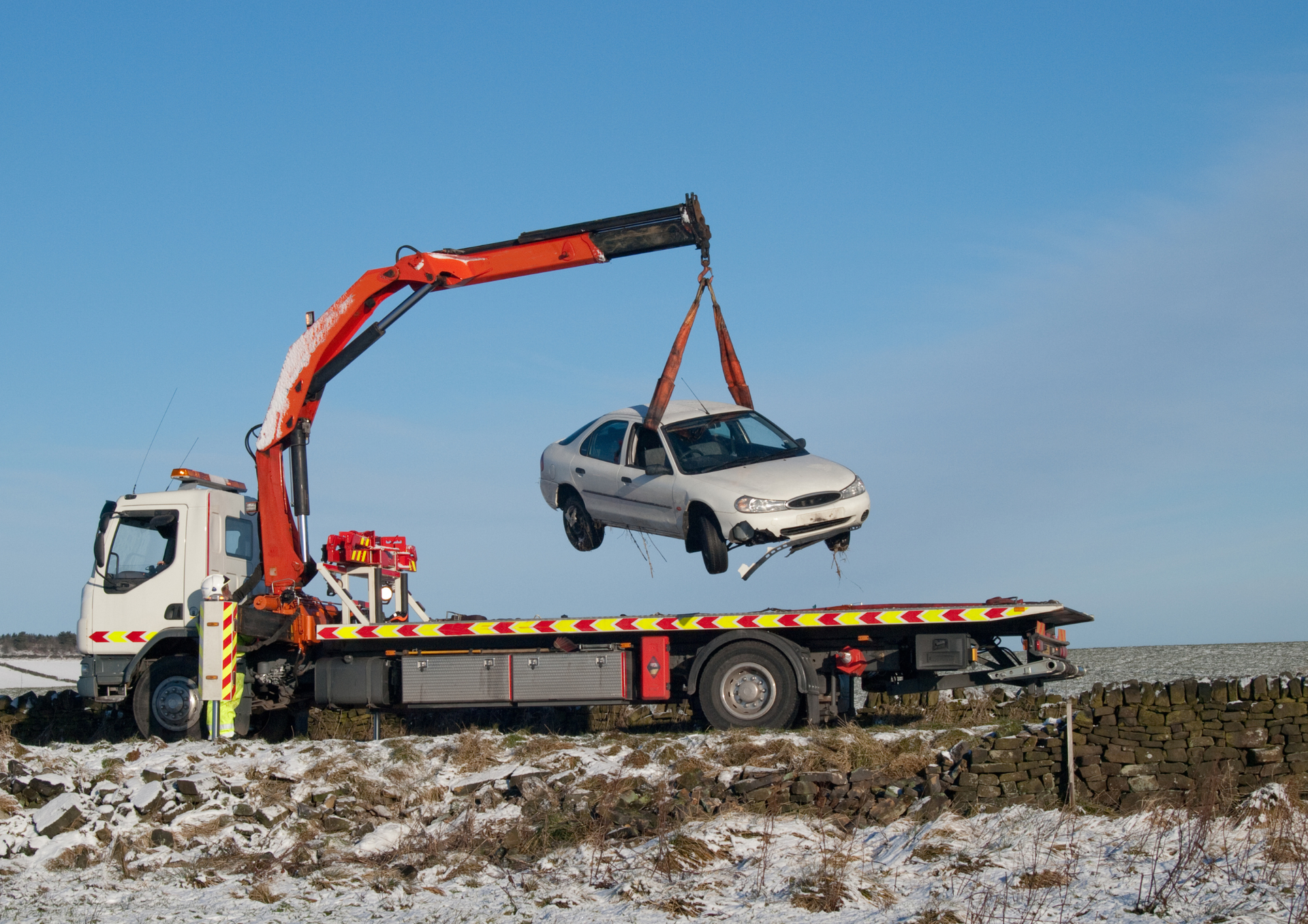
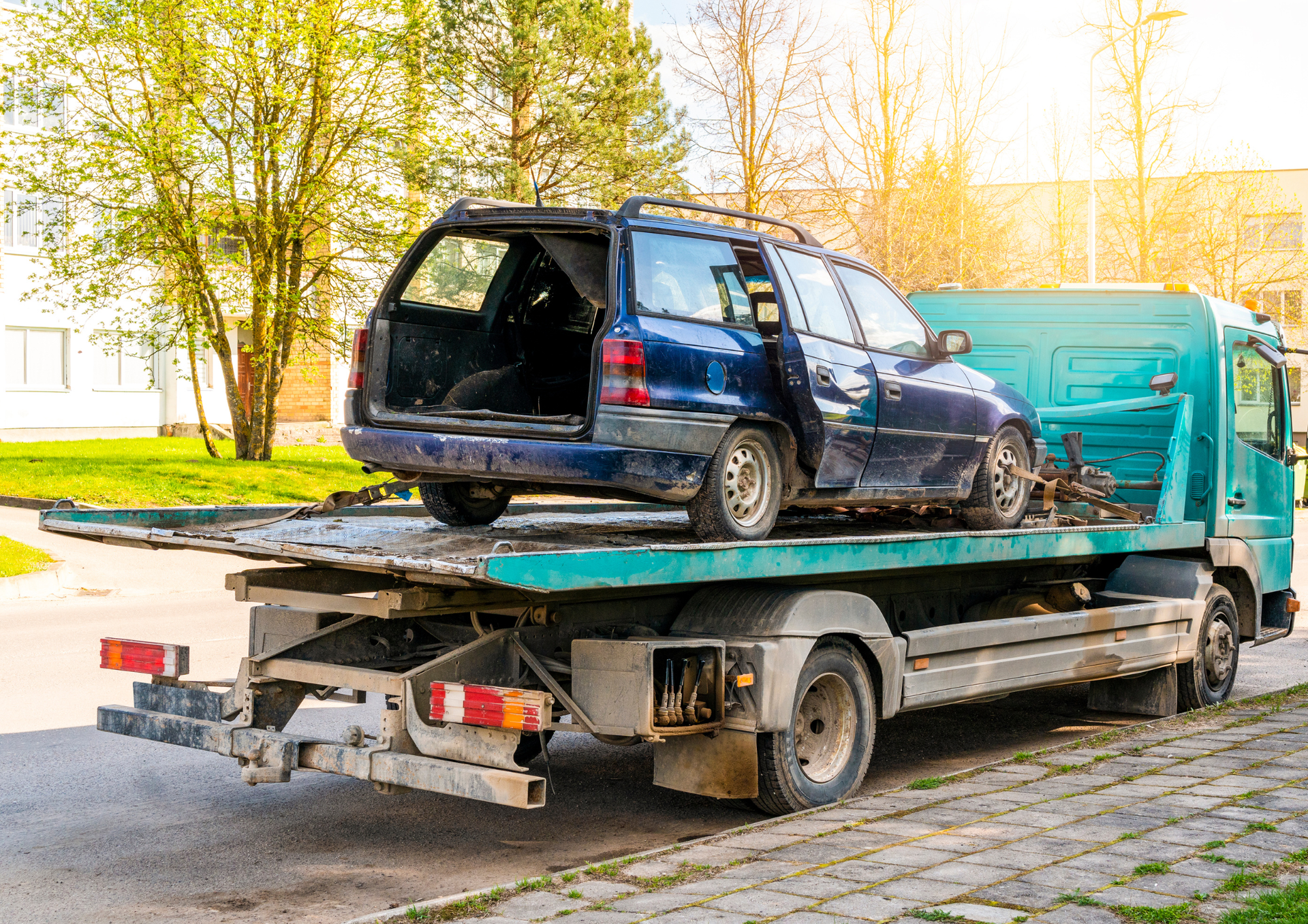
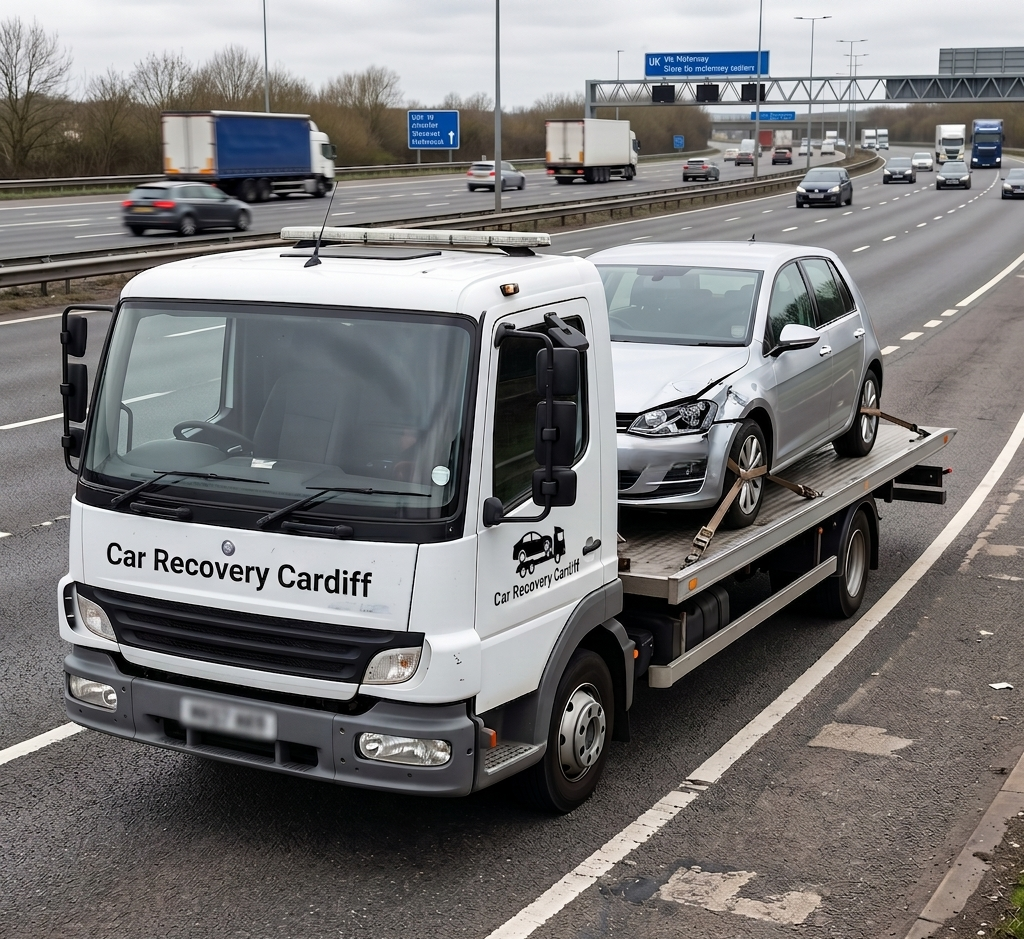
A recovery truck equipped for the vehicle's size and condition can provide a controlled way to collect and transport it. Depending on the circumstances, a flatbed platform or another suitable towing arrangement may be used. Correct positioning and secure restraints help keep the vehicle stable during transportation.
Careful loading is particularly important when a vehicle has suffered suspension or wheel damage. Forcing a damaged vehicle to move without suitable equipment could place additional strain on already weakened components.
Transmission faults may also require special consideration. Some vehicles cannot be safely towed with particular wheels on the ground, depending on their drivetrain and mechanical condition. The operator should select a transportation method that is appropriate for the vehicle.
Secure transportation is another important factor. Once the vehicle has been loaded, it must be correctly positioned and restrained using suitable equipment. This helps prevent unwanted movement while travelling through bends, junctions and changing road conditions.
Professional handling also matters when transporting vehicles with low ground clearance, damaged bodywork or restricted wheel movement. These conditions can make loading more difficult and may require additional care.
The destination should be confirmed before the journey begins. Many motorists choose a trusted local garage, while others prefer a specialist repair facility or another suitable location. Clear arrangements help ensure the vehicle reaches the correct destination without unnecessary confusion.
It is also important to remember that transporting a vehicle does not repair the underlying fault. Once delivered, a qualified mechanic or relevant specialist should inspect the vehicle and determine what work is required before it returns to the road.
Whether the problem involves a failed engine, damaged suspension or another serious fault, suitable towing arrangements help motorists avoid the risks associated with driving an unsafe vehicle.
Choosing a Dependable Towing Provider in Cardiff
Finding a dependable towing provider is important when your vehicle becomes undriveable. A professional service should offer clear communication, suitable transportation equipment and careful handling throughout the collection process.
Motorists in Cardiff may experience breakdowns in a variety of locations, from residential neighbourhoods and shopping areas to busy roads and routes connecting the city with surrounding communities. A provider familiar with local roads can be helpful when arranging collections from difficult or heavily used locations.
The same considerations apply throughout the UK. Whether your vehicle breaks down in a city centre, rural area or unfamiliar town, the provider should understand the requirements of the job before collection begins.
When comparing vehicle recovery services, consider whether the operator has suitable equipment for your particular vehicle and its condition. Cars, vans and larger vehicles may require different transportation arrangements, especially when mechanical damage affects normal movement.
Clear communication should also be a priority. A dependable provider should explain what details are needed, confirm the collection location and discuss where the vehicle will be transported.
Drivers should describe the fault as accurately as possible. If the vehicle has damaged wheels, locked brakes, steering problems or significant fluid leaks, this information may affect the loading arrangements.
It is also sensible to confirm the intended destination in advance. Some motorists prefer a local repair garage, while others may need the vehicle taken to a specialist or another agreed location.
Professional handling is particularly important when dealing with vehicles that have suffered serious mechanical faults. Suitable loading methods, secure transportation and careful unloading can help reduce the risk of additional damage.
The operator should also consider access conditions at the collection and delivery points. Narrow roads, restricted entrances, uneven ground and limited parking space may affect how the vehicle can be collected or unloaded.
Motorists should look for straightforward arrangements rather than making decisions based solely on convenience. Understanding the service, the vehicle's requirements and the destination can help avoid misunderstandings.
Choosing a provider with a practical approach to vehicle transportation can make a difficult situation easier to manage, particularly when the breakdown occurs away from home or outside familiar surroundings.
Ultimately, the priority should be moving the vehicle safely and ensuring it reaches a suitable location where the mechanical problem can be properly assessed.
Mechanical faults and unexpected breakdowns can happen to any motorist, regardless of the vehicle's age or condition. Engine failure, braking problems, transmission faults and damaged suspension components can make driving unsafe and require professional attention.
Recognising warning signs early and avoiding unnecessary driving can help prevent further damage. Professional vehicle recovery offers a safe and practical solution when a vehicle cannot be driven, allowing it to be transported to a suitable repair garage or another preferred destination.
Drivers should prioritise personal safety, provide accurate information about the vehicle and confirm where it needs to be taken. Careful loading, secure transportation and clear communication all contribute to a more straightforward experience.
Whether you are travelling through Cardiff or elsewhere in the UK, knowing how to respond to a serious breakdown can help you manage the situation with greater confidence and ensure your vehicle reaches the appropriate repair professional.
Car Recovery Cardiff provides professional driver to help motorists move undriveable vehicles safely to a repair garage or another suitable destination.
We understand that unexpected breakdowns can interrupt work, family commitments and everyday journeys. Our approach focuses on making the transportation process as straightforward as possible through clear communication and professional vehicle handling.
Whether your car has suffered engine failure, transmission problems, suspension damage or another serious mechanical fault, our team can help you arrange suitable collection and transportation.
We aim to provide a reassuring experience by discussing your vehicle's condition, confirming the collection location and arranging delivery to a repair garage or another appropriate destination of your choice.
Our focus is on transporting vehicles safely rather than attempting temporary roadside repairs. When specialist mechanical attention is required, your vehicle can be taken to the appropriate professionals for inspection and repair.
If your vehicle has broken down or developed a fault that makes driving unsafe, contact our team today to discuss your transportation requirements. We can help you arrange professional collection and delivery so your vehicle can reach the right destination for further attention.
Check out our latest X update exploring the importance of
vehicle recovery for unexpected breakdowns and mechanical faults.
Car Recovery Cardiff
029 2167 2246
5 Crown Way
Cardiff, CF14 3DE
United Kingdom
You might also like