What Can Affect Car Recovery Prices After an Unexpected Breakdown?
A vehicle breakdown can happen with little warning. An engine problem, electrical fault, damaged wheel or other mechanical issue may bring a journey to an unexpected stop and leave the vehicle unable to continue safely. Once immediate safety has been considered, motorists often need to arrange professional transportation to a garage or another suitable destination. At that point, understanding what influences the price can make the process easier to manage.
Car recovery prices are not necessarily the same for every breakdown because each collection can involve different circumstances. The distance travelled, condition and size of the vehicle, accessibility of the collection point and intended destination can all affect the work required. A straightforward collection from an accessible Cardiff street, for example, may involve different requirements from moving a vehicle with damaged wheels from a difficult location before transporting it over a longer distance.
Knowing which details matter can also help motorists provide useful information when asking for a quote. Clear details about the vehicle, location and destination allow a provider to understand the work involved more accurately. Although this guide includes considerations relevant to drivers in Cardiff and surrounding areas, the same principles can help motorists understand vehicle recovery charges wherever a breakdown happens.
How Distance and Breakdown Location Can Influence the Price
Distance is one of the practical considerations involved in vehicle recovery. A provider needs to reach the stranded vehicle and then transport it to the requested destination. A short journey to a nearby garage can therefore involve different travelling requirements from taking the same vehicle to a repair facility many miles away. This is why motorists should provide both their current location and intended destination when asking about a price.
The collection location itself also matters. A vehicle parked in a spacious, accessible area may be relatively straightforward to approach and load. By comparison, a car in a narrow road, restricted parking area or other difficult position may require more careful planning. The operator needs enough suitable space to position recovery equipment and load the vehicle without creating unnecessary risks for the vehicle or surrounding road users.
Cardiff contains a mixture of busy urban streets, residential areas and roads connecting the city with surrounding communities and major routes. Traffic conditions and accessibility can vary considerably between these locations. A vehicle that stops on a quiet local road presents a different collection situation from one stranded in a congested area, so providing precise location information is important when arranging transportation.
Motorists searching for car recovery near me prices should therefore look beyond the first figure they find and establish what the quotation covers. It can be useful to confirm whether the stated amount reflects the actual collection point, vehicle condition and distance to the requested destination. Comparing like-for-like information gives a clearer picture than comparing figures based on different journeys or circumstances.
The requested destination can have just as much influence as the collection point. Some motorists may want their vehicle taken to a nearby repair garage, while others may have a preferred specialist or another appropriate destination farther away. Longer transportation distances naturally involve more travelling time and use of the recovery vehicle, so the destination should be established before a meaningful quotation is requested.
Accurate location details can prevent avoidable confusion. A postcode, road name, nearby landmark or clear description of the vehicle's position can help establish where collection is required. When a breakdown happens on a major route, information such as the direction of travel or nearby junction can also be useful. The more precise the information, the easier it is for a provider to assess the journey involved.
Vehicle Condition and Recovery Requirements That May Affect Charges
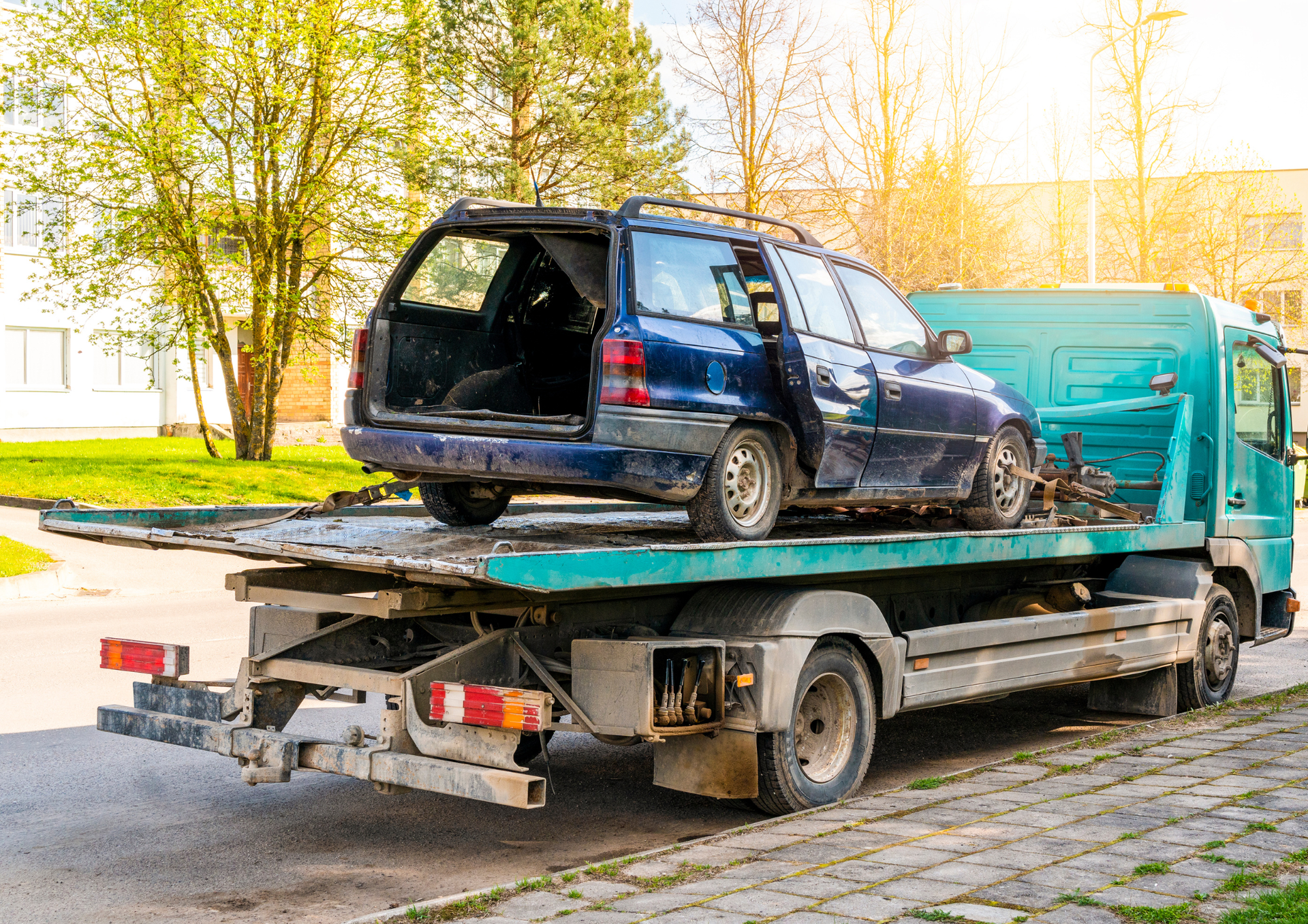
The condition of a broken-down vehicle can significantly affect how it needs to be collected and loaded. A car that does not start but can still steer and roll normally may present a relatively straightforward situation. A vehicle with damaged wheels, locked steering or collision damage can require different handling. Giving an accurate description beforehand allows the provider to consider suitable equipment and loading arrangements.
- Vehicle size and weight: A small hatchback, large family car, estate or other vehicle can have different dimensions and weights. Suitable recovery equipment needs to be used for the particular vehicle being transported, so motorists should provide the correct make and model when arranging collection.
- Ability to roll: A vehicle that rolls freely is generally easier to position for loading than one with seized, locked or severely damaged wheels. If the wheels cannot move normally, this should be explained before the operator arrives.
- Steering condition: Steering problems can make positioning a vehicle more complicated. If the steering is locked, damaged or behaving unusually, informing the provider in advance helps them understand the condition they will encounter.
- Tyre and wheel damage: A puncture is not the only wheel-related problem that can affect recovery. Bent wheels, damaged suspension or a wheel that has become displaced following an impact may alter the way a vehicle must be handled and loaded.
- Mechanical condition: A vehicle that will not start, cannot select a suitable gear or has another significant mechanical problem may require particular loading arrangements. Motorists do not need to diagnose the fault themselves but should describe the symptoms they have noticed.
- Collision damage: Loose bodywork, damaged panels or components underneath the vehicle can complicate movement. Careful handling may be necessary to prevent damaged parts from catching on the ground or recovery equipment during loading.
- Access to the vehicle: Cars can break down in driveways, car parks, narrow streets and other locations where space is restricted. Low entrances, parked vehicles or limited turning room can all affect how easily suitable equipment can approach.
- Type of vehicle: Not every vehicle has identical recovery requirements. Providing accurate details about the type, dimensions and condition of the vehicle helps establish whether the available equipment is appropriate for the job.
Searching for the cheapest car recovery may seem like a natural response when an unexpected breakdown creates an unplanned expense, but the lowest quoted figure should not be the only consideration. Suitable equipment, careful handling, clear communication and an accurate understanding of the required journey are also important. A quote is more useful when it reflects the actual condition and transportation needs of the vehicle.
Motorists should avoid guessing about significant damage when speaking to a provider. If a wheel is at an unusual angle, fluid appears to be leaking or the vehicle cannot steer normally, simply describing what can be seen is helpful. The operator can then consider those details when planning collection rather than discovering an important issue after arriving at the scene.
Providing this information can also reduce the possibility of unsuitable arrangements being made. Vehicle recovery is not about repairing a mechanical fault where the car has stopped. The objective is to collect and transport the vehicle safely to an appropriate destination, where qualified professionals can investigate and repair the underlying problem.
How Timing, Destination and Journey Requirements Affect the Quote
Timing can influence the practical arrangements surrounding a recovery. Breakdowns do not occur only during convenient working hours, and demand can change throughout the day. Traffic levels, operator availability and the time at which assistance is required can all influence how a collection is arranged. Drivers should therefore give an accurate required collection time rather than assuming every journey will have identical circumstances.
The final destination is another important consideration. Transporting a broken-down car a short distance to a local Cardiff garage is different from moving it to a specialist repairer in another town or city. The journey distance affects the time and travel involved, which is why drivers should ideally decide where they want the vehicle taken before requesting a quotation.
This helps explain why car recovery prices can vary even when two motorists have similar vehicles. One car may be easy to access and require only a short transportation journey, while another may be in a difficult position and need to travel much farther. Looking at the complete circumstances provides a more useful comparison than assuming the vehicle type alone determines the amount charged.
When considering recovery costs, motorists can help by providing the vehicle registration, make and model, collection point, required destination and a clear description of the problem. Details such as whether the wheels roll, whether the steering operates and whether there is visible damage may also be relevant. Complete information allows the provider to consider the actual job rather than relying on assumptions.
Traffic and route conditions may also affect how a journey is planned. Cardiff's busier roads can experience congestion at particular times, while collections outside the city may involve different routes and travelling distances. These factors do not mean a motorist needs detailed knowledge of local traffic patterns, but an accurate location and destination give the provider the information needed to consider the journey.
Drivers should also establish what service they are requesting. Vehicle recovery involves collecting and transporting a vehicle that cannot safely or practically continue its journey. It does not include carrying out mechanical repairs at the roadside, providing fuel or assisting with vehicle lockouts. Where repairs are required, the vehicle can instead be transported to a suitable garage or another chosen destination.
Planning the destination in advance can prevent uncertainty once the recovery vehicle arrives. If a preferred garage is being used, motorists may find it helpful to confirm that the destination is appropriate before arranging transportation. When that is not possible, another suitable location can be selected according to the driver's circumstances.
What to Consider When Comparing Vehicle Recovery Quotes
Comparing quotations can be useful, but motorists should make sure each provider has been given the same information. A low initial figure based on incomplete details may not provide a meaningful comparison with a quote that considers the full collection and transportation journey. Asking clear questions about what has been taken into account can help motorists make a more informed choice.
- Collection point: Confirm that the provider knows exactly where the vehicle is located. A general area may not reveal access restrictions or the actual distance involved, so a precise location is preferable.
- Requested destination: State where the vehicle needs to be taken. The distance between collection and destination is an important part of understanding the overall transportation requirement.
- Journey distance: When comparing quotes, check that each one relates to the same destination. Comparing a short local journey with a longer transportation request will not give a useful like-for-like comparison.
- Vehicle information: Provide the correct make, model and relevant details about the vehicle. Different sizes and conditions can require different equipment or loading arrangements.
- Vehicle condition: Explain whether the vehicle starts, steers and rolls normally. Mention visible damage or other problems that could affect loading so the quotation can reflect the actual circumstances.
- Accessibility: Tell the provider if the vehicle is in an underground car park, narrow road, restricted area or another location that could make access more complicated.
- Suitable equipment: Check that the provider can transport the particular vehicle involved. Appropriate equipment and secure loading are important considerations when a vehicle cannot move under its own power.
- Clear communication: A useful quotation should be based on clearly understood collection and destination details. Motorists should feel able to ask what information has been considered before agreeing to transportation.
Finding the best price roadside recovery should involve considering overall suitability rather than focusing entirely on the smallest figure. Clear arrangements, appropriate equipment and professional vehicle handling all contribute to the value of the service. Knowing exactly where the vehicle will be collected and transported also makes it easier to compare different options fairly.
Motorists should be cautious about leaving important details until the recovery vehicle arrives. If the car has damaged wheels, cannot steer or is positioned somewhere with restricted access, those facts may affect the equipment and work required. Sharing them at the beginning allows the provider to make arrangements based on a realistic understanding of the situation.
Ultimately, a clear quotation starts with accurate information. Motorists do not need specialist mechanical knowledge; they simply need to explain what has happened, what they can observe and where the vehicle needs to go. This straightforward approach can make comparing providers easier and reduce uncertainty during an already inconvenient breakdown.
Car Recovery Cardiff provides practical vehicle transportation support for motorists whose cars can no longer safely complete their journeys. We understand that breakdowns can be disruptive, so our approach focuses on straightforward communication, careful vehicle handling and establishing the important collection details from the beginning.
When discussing car recovery prices, we consider the relevant details of the required journey rather than assuming every breakdown is identical. Providing your vehicle information, collection location, destination and details about its condition helps establish what is required to move it. Our focus is on arranging appropriate transportation to a repair garage or another suitable destination selected by the customer.
For motorists in Cardiff and surrounding areas, having clear arrangements can make an unexpected vehicle problem easier to manage. If your car cannot safely continue its journey, get in touch with your location, vehicle details and preferred destination so suitable collection and transportation can be discussed.
Check out our latest X update exploring what can affect
car recovery prices after an
Car Recovery Cardiff
029 2167 2246
5 Crown Way
Cardiff, CF14 3DE
United Kingdom
You might also like